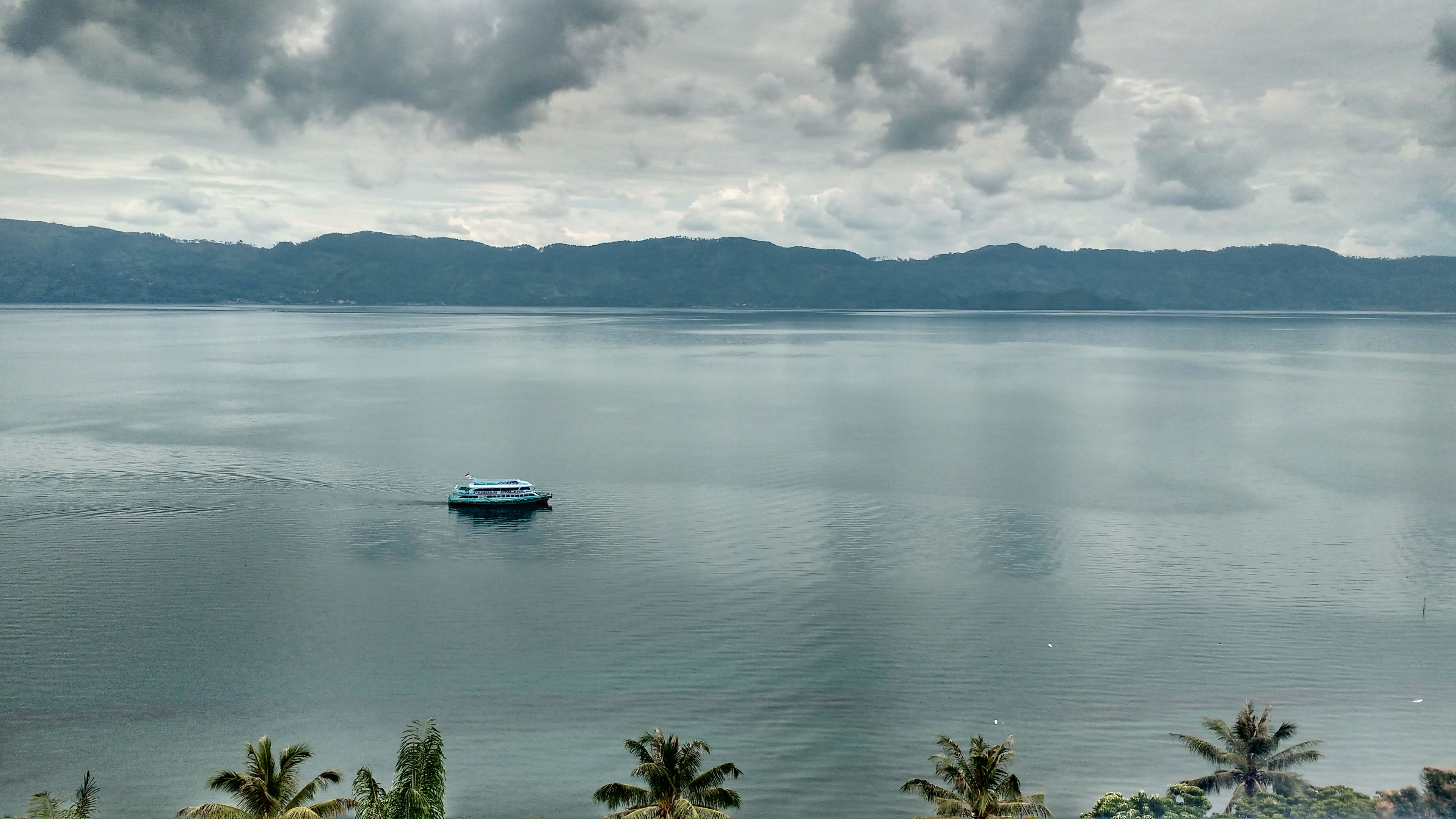
Lake Poso
Where the lake becomes a river, and everyone forgets to wait.
Lake Poso holds its water like a held breath—wide, inland, quietly bright.
Its outlet is not a scenic afterthought; it is the lake deciding to leave, suddenly and loudly.
If you stay a little longer than most people do, the place shifts from overlook to presence.
The Outlet Is A Threshold, Not A Photo Stop
Most visitors approach the Poso River outlet as a quick look: stand above the rush, watch the water narrow and speed up, take in the sound, then move on. What they miss is that the outlet isn’t one view—it’s a short sequence. A few steps away from the obvious railing or roadside pull-off, the lake-side surface smooths again, as if the water is deciding whether it wants to become a river. The difference can be a few meters: one side is glass, the other is muscle. Look for the details that don’t announce themselves: the color shift where lake clarity turns slightly aerated; the way foam collects briefly in small eddies before being taken; the wet rock smell that is sharper here than on the open shore. In the middle of the day, it can feel like pure movement. But when the wind drops, you can hear the outlet making two sounds at once—a steady pull underneath, and a thin, bright chatter on top.
The Ten Minutes After The Wind Lets Go
Lake Poso changes when the surface stops arguing with itself. It doesn’t require a dramatic dawn or a storm clearing—just a small surrender in the air. Often it happens in late afternoon, when the heat softens and the breeze that has been skimming the lake all day loses its edge. At the outlet, that quieting is easy to feel. The lake-side water becomes visibly heavier, more settled, as if it is gathering its clarity back into one sheet. The river-side keeps moving, but the sound shifts: less spray, more low pull. Small ripples stop traveling and start dissolving where they are born. This is when the overlook finally makes sense. The scene becomes less about force and more about transition—a calm surface feeding a fast one, without spectacle. If you’re patient, you’ll notice the reflections return in fragments near the lip of the outlet: a faint line of trees, a slice of pale sky, then nothing as the water tips over into speed. It’s brief, and it’s the point.
The Reflections
On the lake-side of the outlet, reflections appear in broken panels, interrupted by the pull toward the river. When the air is still, the surface briefly holds thin, readable lines of shoreline trees before the water tightens and the image collapses into motion.
The Water
The lake reads as clear teal to blue-green, tinted by depth and the pale sky it carries. Near the outlet, the color lightens and turns slightly milky in streaks where air mixes in and the current combs the surface.
The Landscape
Low, forested hills frame the water with a soft, continuous edge rather than sharp peaks. At the outlet, the landscape feels closer and more intimate: wet rock, overhanging green, and a narrow corridor where the lake becomes directional.
Best Angles
The outlet overlook above the narrowing
Stand slightly off-center so you can frame both behaviors at once: smooth lake on one side, tightened current on the other. Aim your view upstream toward the lake so the surface texture tells the story.
Lake-side bank a short walk back from the lip
Move away from the loudest water until the surface becomes calmer. Face toward the outlet and frame the subtle gradient: clear sheet turning into rippled pull.
Downstream edge where the river first widens again
Most people don’t go past the first viewpoint. Downstream, look back toward the outlet to catch the sense of being drawn from stillness into speed, with foam traces describing the current lines.
A quiet sit above the sound, not at it
Find a place where you can hear the outlet without looking directly at it. Let the lake be peripheral; notice how the sound changes when the wind changes.
Crowd pattern — most people pause briefly at the obvious viewpoint in the middle of the day; it empties out toward late afternoon when the light improves.
Effort level — minimal walking, but expect uneven ground near the banks and slippery rock if you step off the main path.
Access note — conditions and access points can change locally; ask in Tentena or Poso about the best current approach and be respectful of any nearby private land.
What to bring — footwear with grip, a light layer for evening, and something to sit on if you plan to wait for the wind to drop.
Handpicked Stays & Tables
Places chosen for beauty and intention, not algorithms. Each one is worth your time.

A lakeside guesthouse in Tentena
Tentena, near Lake Poso

A small hotel in Poso town
Poso

A warung by the Tentena waterfront
Tentena

Coffee stall near the main road
Poso or along the route toward Tentena
If you wait for the surface to settle, the outlet stops being a view and becomes a feeling of departure.