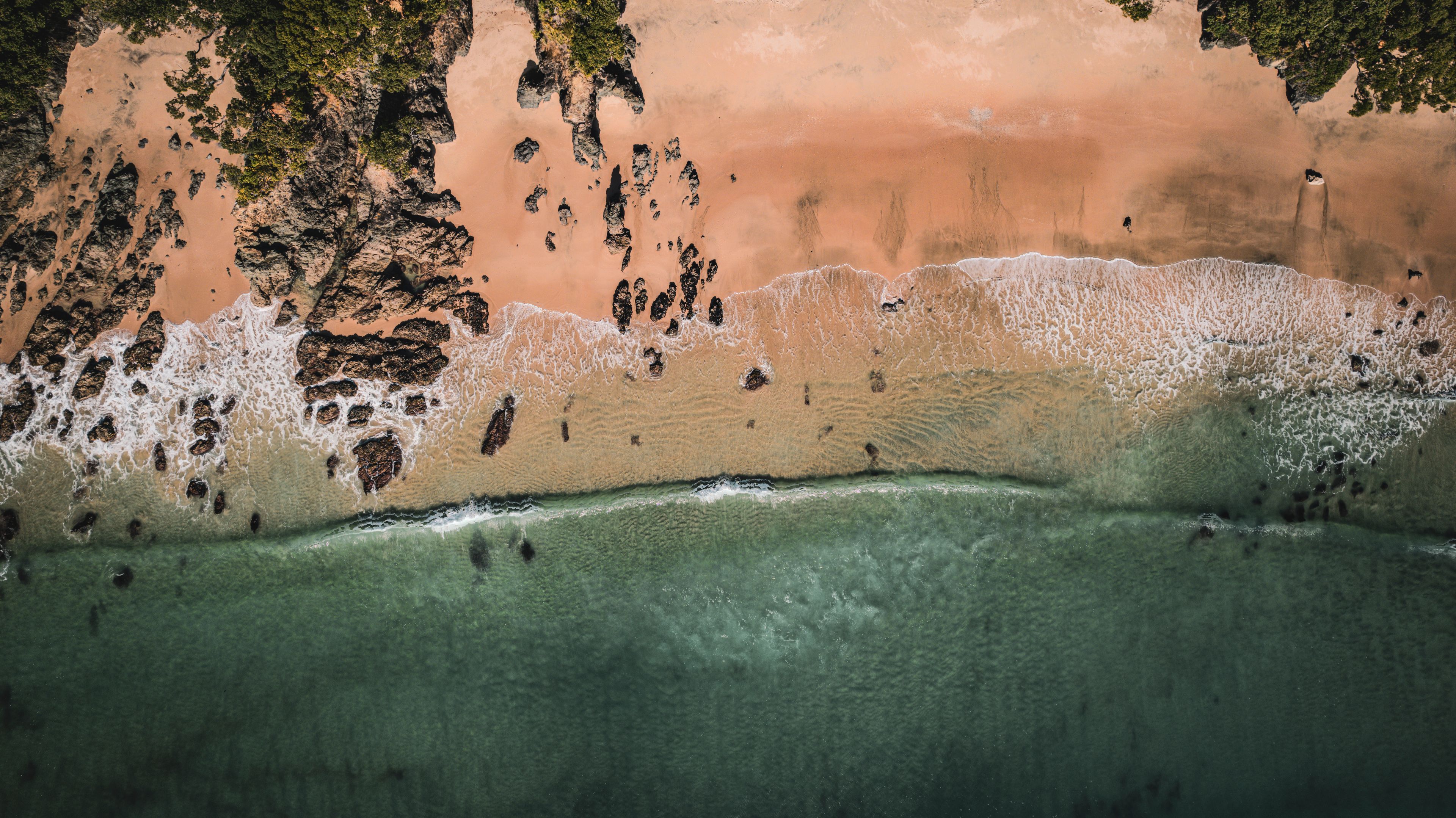
Hot Water Beach
In the downpour, Hot Water Beach feels like the earth is breathing warmth into your hands.
You come to Hot Water Beach for a strange, elegant fact: the Pacific is cold, the sand is warm, and the line between them moves by the minute. It is not a spa built on geothermal energy—it is a coastline where the planet’s heat leaks through on a schedule dictated by the moon.
Most people treat it like a novelty: dig a hole, sit, take a photo, leave. What they miss is how precise the place is… the way the warm seams in the sand feel like invisible rivers, and how the rain changes the whole chemistry of the moment.
When the weather turns and the dunes darken, the beach stops performing. It becomes intimate—steam close to your face, salt on your lips, and the quiet shock of realizing you are literally bathing in the edge of the Earth.
The tide is your thermostat, not your enemy
Hot Water Beach is not “hot” everywhere, and it is not hot all the time. The experience lives in a narrow band of sand above the waterline, where geothermal water pushes up through the beach and meets the Pacific. That band shifts with the tide—and in rain it shifts emotionally, too. Most visitors arrive at any hour, dig anywhere, and blame the beach when the water is lukewarm or scalding. The real trick is to think like a tidal engineer. You dig as the tide is receding or at its lowest, when the hot-water seep is easiest to access and your pool won’t be immediately erased. Then you use the ocean as a cooling valve: a small notch cut toward the sea lets in a controlled ribbon of cold water. You are not just soaking; you are blending two worlds. Rain makes the contrast sharper. The air temperature drops, the sand compacts, and the steam becomes visible—turning your pool “ghostly” not because the water changes, but because the atmosphere does. The scent is briny and mineral, like wet stone. You feel the planet’s heat more clearly when your shoulders are chilled and your hands are busy shaping a basin against the pull of the tide. That small act—making warmth in weather that wants to take it away—is the real luxury here.
Rain comes in sheets, flattening the color out of the world until the beach is mostly graphite—wet sand, low sky, a silvery horizon stitched with whitewater. You walk down from the access track with a spade knocking your calf, and the wind throws grit at your shins. At the hot-spring zone the scene is oddly domestic: strangers in rain jackets crouch like gardeners, carving small basins in the sand while waves patrol the edges, impatient. You push the spade in and the sand gives, heavier than you expect, and then it happens—water wells up, clear and startlingly warm, like a hand held under your palm. You deepen the hole, shaping a seat, the rain dimpling the surface into a thousand soft impacts. Steam starts to rise in faint threads, then thicker, as if the beach is exhaling. The ocean surges closer, cool fingers spilling into your pool; you adjust the lip of sand, mixing temperatures until it’s perfectly human. Around you, voices drop. In the storm’s hush, your little basin becomes a private room.
The Water
The water in your pool is usually clear, but rain turns it pearly—tiny bubbles, churned sand, and steam softening the surface into a pale, milky sheen. Where the ocean slips in, the color shifts to slate-green with a cold, glassy edge.
The Cliffs
This is the Coromandel’s volcanic story written at beach level: mineral heat rising through sand while surf pounds a young coastline. The dunes sit low and wind-shaped, and the beach feels broad enough to stage a small human village at low tide.
The Light
The beach looks most cinematic in storm light and in the hour before sunset, when clouds lift just enough to let a band of gold skim the wet sand. Morning can be quietly beautiful too—cool air, cleaner horizons, and steam showing like breath.
Best Angles
Hot-spring zone at low tide (mid-beach)
You get the full story in one frame—people digging, steam rising, and the ocean threatening the edges.
Dune line looking diagonally down the beach
This angle shows scale and weather: the darkened dunes, the long sweep of surf, and the smallness of the pools.
At the lip where your pool meets the sea
The unexpected drama is the mixing line—warm, calm water beside cold ripples and foam.
Low angle, spade-level close-up
For photographers: wet sand texture, steam, rain dimples, and hands working—details that feel tactile on screen.
Just behind your shoulder inside the pool
The intimate angle captures the human luxury of it—knees under water, rain on skin, and the ocean beyond.
Bring a sturdy spade (not a tiny plastic shovel) and consider a second one if you want to shape a larger pool quickly.
Check the local tide chart and plan around low tide; arriving at high tide often means no safe digging zone at all.
Wear something you can sit in comfortably and rinse after—sand gets everywhere, and wet-weather digging is messy in the best way.
Respect temperature: geothermal water can be extremely hot in spots—test with your hand, and mix with seawater before you settle in.
Keep distance from unstable sand walls and be mindful of waves; the tide comes back faster than it looks.
Handpicked Stays & Tables
Places chosen for beauty and intention, not algorithms. Each one is worth your time.

The Lost Spring
Whitianga
A polished base with a grown-up, geothermal theme—ideal if you want hot soaking before or after the beach without the tide timetable. Book ahead in peak season and pair it with an early low-tide visit for contrast.

Hahei Beach Resort
Hahei
A calm, coastal stay close to Hot Water Beach and Cathedral Cove access. You wake to sea air and can be on the sand quickly, which matters when you’re timing the tide.

The Church Bistro
Hahei
An atmospheric stop in a converted church space—warm wood, soft light, and plates that feel thoughtful after a rain-soaked beach session. It’s the kind of room you want when you’re drying out slowly.

Luke’s Kitchen
Kuaotunu (seasonal, short drive north)
A long, breezy lunch with coastal produce and a relaxed, design-forward setting. Go on a day when you can take the scenic drive and let the Coromandel stretch out around you.
In the rain, you don’t just sit in warm water—you negotiate with the tide and leave with the feeling of the Earth still pulsing in your fingertips.