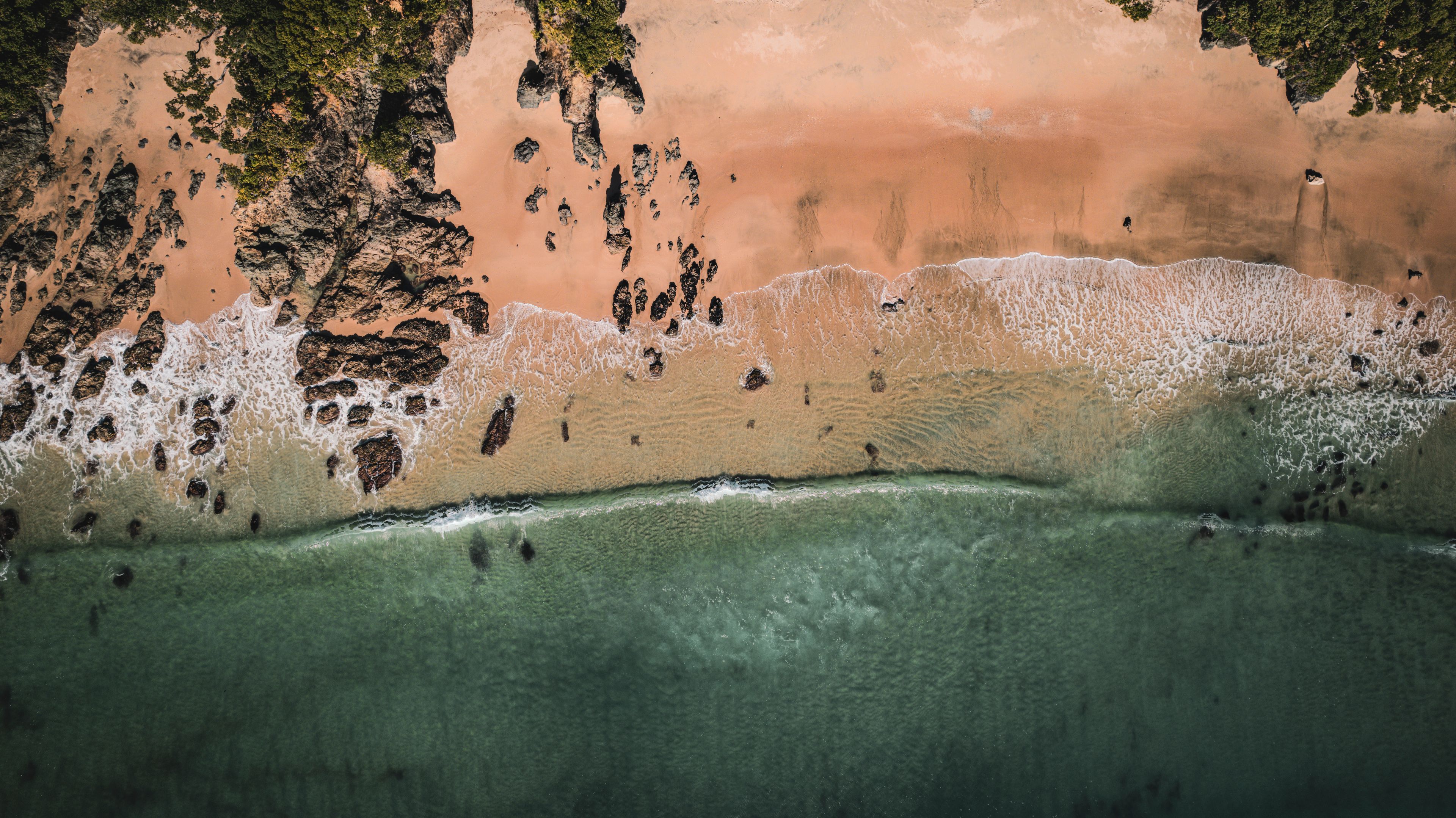
Hot Water Beach
Come for the tide chart, not the selfie—this beach rewards anyone who reads sand like a shoreline atlas.
You arrive at Hot Water Beach and the scene looks ordinary—wide sand, loud surf, a blunt horizon—until you notice people kneeling like prospectors, listening to the ground. This isn’t a beach you simply admire. It’s a beach you interpret.
Most visitors treat it as a novelty: dig a hole, sit in warm water, take the proof photo. What they miss is that the heat isn’t “at” the beach. It’s moving under it—threading through sand in narrow, shifting bands that change with the tide, the swell, even the last ten minutes.
When you find the right seam of warmth, the payoff is strangely intimate. You feel the Earth doing something active beneath you—quiet, practical, alive—and the whole coastline suddenly reads less like scenery and more like a living system you’re allowed to touch.
The Heat Has a Current—And You Can Feel It Shift
Hot Water Beach isn’t a single hot spot; it’s a moving conversation between geology and tide. Beneath the sand, hot water rises along fractures connected to the same geothermal system that shapes this part of the Coromandel. But on the surface, it behaves less like a hot spring and more like a map with layers that keep changing. Here’s the detail most people don’t clock: the warmest water is often not in the biggest holes. It’s in narrow “lanes” where upwelling is strongest, and those lanes can slide a few meters as the ocean drains and the pressure shifts. You notice it when your foot finds a sudden warm patch while everything else stays cold, or when your carefully dug pool cools inexplicably after a larger wave set pushes water higher up the beach. If you read the sand, you dig smarter. Look for small rivulets draining back to the sea—those channels can reveal where groundwater is pushing up. Dig a test hole with your hands first, then commit with a spade. Build a shallow trench to the ocean so you can temper the heat; some pockets can be near-scalding, and “too hot” happens quickly. The best experience isn’t the trophy bath. It’s the moment you realize you’re not just sitting on a beach—you’re tuning it.
You time it to the last hour of the outgoing tide, when the beach exhales and the wet sand turns satin-dark. The Pacific hits with a steady, percussive roar, throwing salt into the air; the wind carries a faint mineral note, like warm stone after rain. Around you, strangers become temporary engineers—spades flashing, buckets tilting, small negotiations over inches of sand. You walk past the first cluster and watch for the tell: a thin shimmer where cooler seawater drains and the sand looks slightly more alive, as if it’s breathing. You sink your hands in and the temperature changes fast—cool top layer, then a sudden pocket of heat that makes you pull back and laugh despite yourself. You dig a little trench to let in a controlled trickle of ocean, mixing it like a bartender—too hot, then perfect. You sit low in your handmade bath while the tide line creeps closer, and the surf keeps reminding you who owns the edge. For a few minutes, you’re warmed from below and cooled from the side, suspended between forces.
The Water
The water is a changing palette: steel-blue offshore under cloud, then jade-green in the shallows when the sun breaks through. In your pool it turns tea-clear over dark sand, with tiny bubbles tracing the heat like a soft, underwater fizz.
The Cliffs
The beach sits on the open edge of the Coromandel Peninsula, where volcanic history and restless ocean energy meet without much softness. Behind you, low dunes and scrub give way to a coast that feels raw and exposed—built more by forces than by decoration.
The Light
Late afternoon gives the sand its best texture—each rake mark and footprint becomes a shadowed relief. On a bright winter day, low sun makes the wet beach gleam like graphite, and the steam from warmer pools reads clearly against cooler air.
Best Angles
Low-tide digging zone (central stretch)
Stay low to the sand so the pools, spades, and steam create a human-scale story against the wide horizon.
Dune edge looking down the beach
From slightly above, you can see the pattern of holes and channels—an accidental topographic map.
Waterline looking back toward the diggers
This flips the scene: surf in the foreground, people clustered like a temporary village behind it.
Close-up at the pool’s mixing trench
Photographers get texture here—ripples, bubbles, and hands working the sand, with light catching the water skin.
Detail shot of feet in two temperatures
Frame the contrast: one foot in cool seawater, one in warm upwelling—an intimate, place-specific proof without cliché.
Check the tide chart first and plan around low tide; at high tide the digging area is often underwater.
Bring or rent a proper spade in advance—hands alone won’t cut it when the sand compacts near the waterline.
Test the temperature before you sit; some upwelling pockets can be uncomfortably hot, so mix with seawater via a small trench.
Wear reef shoes or sandals with grip—the sand can hide sharp shells, and the edge gets slippery with backwash.
Pack a wind layer and a towel even in summer; the coast can turn cool fast once you’re wet and the breeze picks up.
Handpicked Stays & Tables
Places chosen for beauty and intention, not algorithms. Each one is worth your time.

The Church Accommodation
Hahei
Design-led rooms and cottages with a calm, coastal minimalism that suits early tide starts. It’s close enough to Hot Water Beach that you can treat the tide chart like an itinerary, not a suggestion.

Fisherman’s Bend Lodge
Cooks Beach
Boutique lodge atmosphere with thoughtful hosting and a quiet, tucked-away feel. A good base if you want Hot Water Beach as one stop among Coromandel walks, coves, and long dinners back at the property.

The Hive
Hahei
A relaxed, well-run local favorite for coffee and straightforward meals that suit sandy feet and tide-timed mornings. Come here to warm up after a winter soak and reset before the next coastal stop.

The Lost Spring Restaurant & Day Spa
Whitianga
If you want to continue the geothermal theme with more polish, this is the place—cocktails, tropical planting, and hot pools done with intention. It’s a comfortable contrast to Hot Water Beach’s do-it-yourself ritual.
When you leave, the ocean erases your pool in minutes, but you carry the strange certainty of warmth rising through sand you learned to read.