Hot Water Beach
At low tide, walk far left—where the sand is warm, the noise thins, and the ocean keeps breathing.
Hot Water Beach matters because it turns the shoreline into a temporary ritual—two tides a day, the Pacific steps back and the earth offers its heat. It is not a spa, not a gimmick; it is geology you can feel in your bones, with surf noise as the soundtrack.
Most people stop where the crowd clusters near the main access, digging shoulder-to-shoulder in a patch that looks obvious. The quieter experience begins when you commit to the far-left stretch at low tide—where the hot seep lines are subtler, and the social energy doesn’t dominate the senses.
When you find your own pocket of warmth, you stop performing the beach and start listening to it—salt on your lips, steam in the breeze, your hands shaping a small refuge that only exists for an hour or two.
The Quiet Works Like a Map—Follow the Steam, Not the Crowd
Hot Water Beach has a way of making people think the experience is fixed: arrive, dig, soak, leave. In reality, it’s a moving target—an intertidal puzzle shaped by tide height, recent rain, and the day’s swell. The busiest patch near the main track isn’t “the” hot spot; it’s simply the most convenient one. You can feel the difference the moment you keep walking. Far left, the beach subtly changes character: fewer clustered holes, fewer photo-stops, more space to watch the shoreline breathe. What you’re looking for isn’t a perfect circle of boiling water. It’s a seam—slightly warmer sand, a faint thread of steam when the air is cool, a place where your first few scrapes suddenly turn the shovel head hot. Dig too deep and you’ll hit scalding water; too shallow and the Pacific cools it instantly. The sweet spot is a broad, shallow bowl that lets hot spring water seep in while the ocean gently mixes it. Build a low sand berm on the seaward edge, then let a thin ribbon of seawater refresh the pool as the tide shifts. The payoff of the far-left stretch is emotional as much as practical. You’re not competing for space. You’re collaborating with the coast—reading it, adjusting, accepting that the tide will erase your work. That impermanence is the point.
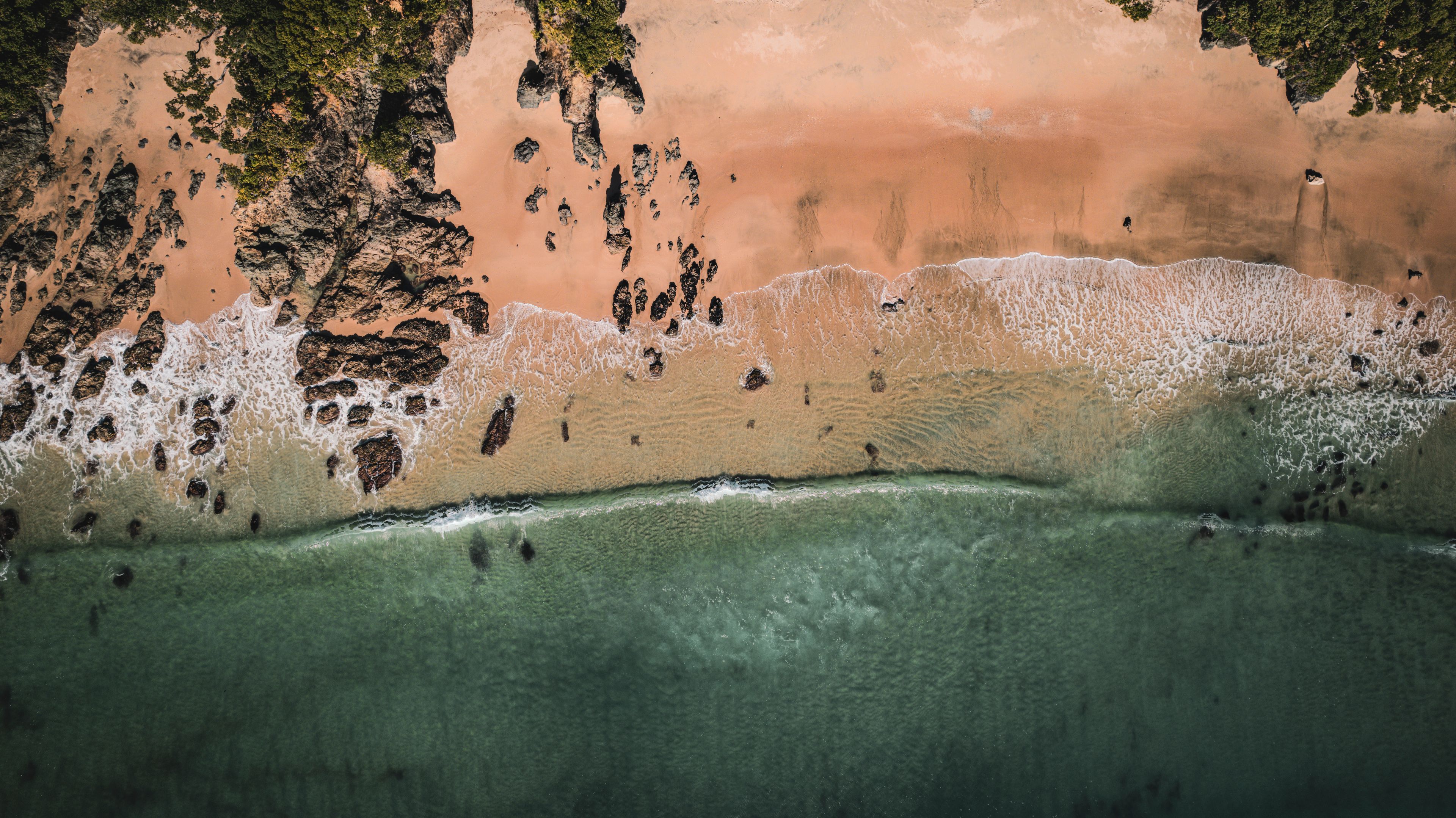
You time it for low tide and the beach feels wider than it should, a long pane of wet sand reflecting a pale Coromandel sky. As you walk, the sea keeps its distance for once—waves folding in slow, muscular lines, then draining away with a hiss. Near the access point, voices stack up and spades flash in the sun, but you keep moving left until the sound thins and the sand under your feet begins to change… cooler, then suddenly alive with warmth in a soft, irregular band. You drop your bag, kneel, and start digging. The first scoop is ordinary sand; the next releases a breath of heat that fogs your forearms. A shallow pool forms quickly, ocean water slipping in to temper it. You sit back into your hand-dug basin as if it’s been waiting for you—steam skimming low across the surface, salt wind drying your shoulders, and the Pacific just metres away reminding you that this comfort is borrowed, tide-timed, and temporary.
The Water
The water is a layered palette: steel-blue in the deeper Pacific, then green-grey where waves thin over sandbars, then tea-brown swirls in your pool as sand suspends in the heat. When the sun breaks through, the wet sand flashes like polished slate, reflecting the sky in soft gradients.
The Cliffs
This is the Coromandel’s volcanic story in plain sight—geothermal water rising through fractures beneath an ordinary-looking beach. Dark headlands frame the bay, and the broad intertidal zone becomes a stage where steam, surf, and sand all move at different speeds.
The Light
Early morning gives you cool air that makes any steam visible, plus clean, low-angle light that turns footprints and ripples into texture. Late afternoon is warmer and more forgiving, with honey light on the headlands and longer reflections on the wet sand.
Best Angles
Far-left low-tide line
You get the widest sense of space—fewer people, more reflective sand, and the headland anchoring the frame.
Water’s-edge profile (kneeling height)
Shoot low so your steaming pool sits in the foreground and the Pacific rolls behind it, showing the strange proximity of comfort and surf.
Dune-side lookback toward the main access
This reveals the contrast—busy clusters in the distance, your quieter stretch in the near field.
Backlit steam moment
Position the sun just off-frame and wait for a breeze; the steam catches the light and becomes visible, especially on cooler days.
Hands-in-sand close-up
The intimate angle is tactile—wet sand on knuckles, a shimmer of heat, and small ripples where hot and cold water meet.
Check tide times for Hot Water Beach (not just nearby towns) and aim for the two-hour window either side of low tide; the usable sand disappears fast.
Bring or rent a sturdy spade—hands alone are slow, and cheap plastic shovels flex when the sand compacts.
Test the water with your hand as you dig; geothermal pockets can be extremely hot, so mix in seawater until it’s comfortable.
Wear swim shoes if you have them—the sand can be hot, and shells or buried debris are easier to miss when you’re focused on digging.
Respect the surf and conditions: if swell is large, the shoreline can be unpredictable even near low tide; keep bags above the wash line and stay alert.
Handpicked Stays & Tables
Places chosen for beauty and intention, not algorithms. Each one is worth your time.

The Church Accommodation
Hahei
A small, design-forward stay with a calm, coastal sensibility—clean lines, soft light, and a sense of privacy. You’re close enough to move with the tides, but far enough to come back to quiet.

Hahei Beach Resort
Hahei
Well-placed for beach mornings and quick runs to Hot Water Beach when the tide window is tight. Choose a chalet or cabin that gives you space to dry off, reset, and head back out.

The Hive
Hahei
Coffee and brunch with a relaxed, beach-town hum—ideal for warming up after an early low tide. Sit outside when the light is soft and the day still feels unclaimed.

Hot Waves Café
Hot Water Beach
Steps from the sand and practical in the best way—fuel before you dig, or something simple after. It’s the kind of place where salty hair and sandy feet feel normal.
Walk left until the chatter fades, then let the beach teach you its timing—warmth rising through sand, ocean waiting to take it back.