Freedom Beach
On Phuket’s busiest coast, one longtail landing teaches you to stop walking and start looking.
Freedom Beach matters because it interrupts the Patong rhythm—traffic, touts, thumping bass—with a shoreline that still sounds like water first. You arrive and the air changes: salt and warm pandan-leaf green, with a faint diesel note from the longtails that deliver you like a private appointment.
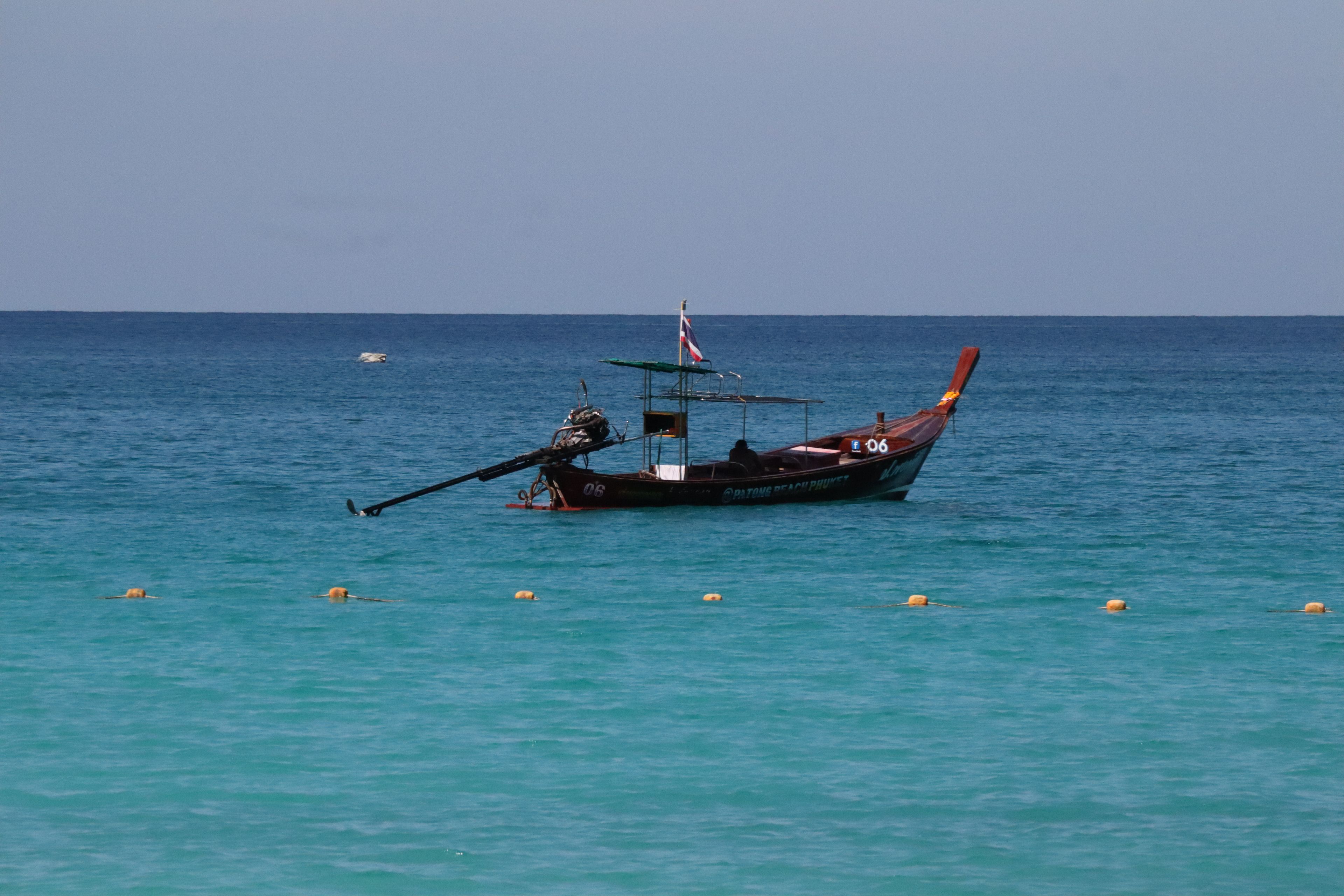
Most people miss the landing itself—the shallow, knee-deep choreography where longtail captains thread between swimmers and sandbars, and where the beach’s “freedom” is negotiated in small, practical moments: timing, tide, and a respectful step out of the way.
If you let that arrival slow you down, the payoff is quiet clarity. You feel the island’s volume drop. You stop performing Phuket and start inhabiting it—sun on skin, sand underfoot, and a rare sense that your day is your own.
The Landing Line: Where the Beach Actually Begins
Freedom Beach is often described like a destination you “get to,” but its real character lives in the threshold—those first 30 meters where longtails arrive and everyone else keeps walking. Watch the shoreline carefully and you’ll see the beach operating like a small port with manners. Captains read the wave sets, then commit, gliding in over sand so shallow you can count ripples on the bottom. They choose a precise angle to avoid the darker patches of rock and the softest sand where propellers can bite. Most visitors treat this as a nuisance: ropes on the sand, a quick shuffle to avoid the bow, a mild complaint about noise. But the landing is the bay’s pulse. It tells you when the beach will feel intimate and when it will feel like a scene. If arrivals come in clusters, you know the water taxis are syncing with Patong’s departures and the mood will turn social. If the landings space out, the beach stretches—audibly. You start hearing small details again: the click of shells under a wave, the lazy slap of a longtail’s wooden hull, the brief silence between sets. Stand just back from the wet sand and let a boat arrive. In that pause—engine down, rope tossed, feet in water—you feel the simple luxury this beach still offers: arrival as a ritual, not a rush.
You approach by longtail and the first thing you hear is the propeller easing off—an engine note softening into the granular hiss of surf. The boat noses into pale water so clear it feels like air with weight. You step down and the sea is warm, almost silky, licking your calves while the captain steadies the hull with one hand and the bow rope with the other. Behind you, Patong’s skyline is a distant suggestion, smudged by haze; in front, the crescent of sand opens clean and bright, framed by dark granite and dense, glossy green. The beach has a low, lived-in elegance: a few loungers set back from the tide line, the murmur of conversation kept polite by the acoustics of the bay. You walk a little, and the sand changes texture—powdery where it’s dry, firmer near the water where it holds the print of your steps for a moment before the next wave edits you out. The light bounces off the sea and paints everyone with a soft, reflective glow.
The Water
The water reads as layered glass: pale jade in the shallows, then a mint-to-turquoise gradient that deepens as the bay curves. In calm moments you see sandy corrugations on the bottom, with darker ink-blots where rocks and sea grass shift the tone.
The Cliffs
A tight, protective bay shaped by granite outcrops and a steep, forested slope that keeps the horizon feeling close. The greenery is dense and waxy—tropical leaves that catch light like varnish—so the sand looks even brighter by contrast.
The Light
Late morning gives you the clearest water color, when the sun is high enough to cut through surface sparkle without flattening everything. Golden hour is softer and more editorial—warm skin tones, long shadows, and longtails turning into silhouettes against the bay.
Best Angles
Longtail landing zone (center-right of the bay)
You get the story of the place in one frame: boats, shallow water, and the curve of sand behind it.
Far left end near the rocks
The beach feels wider and quieter here, with textured boulders adding scale and a more secluded tone.
Waterline looking back toward the jungle slope
It flips the usual postcard—sand and sea become foreground, and the lush hillside becomes the main subject.
Mid-bay, knee-deep in water facing the shore
For photographers: the water acts like a reflector, lifting faces and making the sand read clean and luminous.
Under the tree shade at the back of the beach
The intimate angle: you frame the bright bay through dark leaves, with a naturally cinematic vignette.
Bring cash for longtail fares, entry/amenity fees if applicable, and simple beach purchases; card options are inconsistent.
Wear reef-safe sunscreen and consider a rash guard—light reflects hard off the pale sand and shallow water.
If hiking, use proper sandals or trainers; the descent can be slippery after rain and the climb back up is sweaty and steep.
Pack a dry bag for your phone and valuables if arriving by boat; splash-downs are common at the landing.
Be mindful of the longtail landing corridor—pause, make eye contact with the captain, and give the rope line space.
Handpicked Stays & Tables
Places chosen for beauty and intention, not algorithms. Each one is worth your time.

Rosewood Phuket
Tri Trang (near Patong)
Low-slung, design-forward luxury with a sense of privacy that matches Freedom Beach’s calmer tempo. You get refined service, excellent dining, and quick access to the southern Patong coastline without feeling in the middle of it.

The Shore at Katathani
Kata Noi
Pool villas facing a softer, more residential stretch of Phuket with a romantic, quiet focus. It’s a longer ride to Freedom Beach, but you return to genuine calm and an oceanfront that feels intentionally composed.

Ta Khai
Rosewood Phuket, Tri Trang
A polished Thai kitchen with smoky aromatics and careful sourcing, served in a setting that feels coastal and grown-up. Ideal for resetting after a salt-and-sun day without leaving the Patong area.

Baan Rim Pa
Kalima (between Patong and Kamala)
Clifftop Thai dining with sweeping views and a classic Phuket sense of occasion. Go around sunset for the light, then lean into southern flavors and seafood done with confidence.
On Freedom Beach, the real luxury isn’t the view—it’s the moment you stop walking, and the shoreline starts speaking back.